

Private China Tour and Local Guide Planning Guide
Plan a private China tour with a local guide by matching route, pace, language support, food stops, transport, and inquiry details.
Luhao Zhao June 24, 2026
Use the blog for specific questions, fresh updates, and narrower planning context. For core SEO topics, start with the travel essentials, city hubs, destination hubs, and itinerary hubs.
Content Pillars
Visa-free transit, China entry requirements, passport rules, port eligibility, and policy checks for travelers before departure.
PaymentsPractical payment setup for foreign visitors, including mobile wallets, international cards, cash backup, and places where cards may not work.
Essential AppsApp planning for payment, messaging, maps, ride-hailing, translation, eSIM/VPN, hotel booking, train booking, and local discovery.
Trains & TransportHow to buy train tickets with a foreign passport, compare 12306 and Trip.com, use high-speed rail, and move between Chinese cities.
First-Time RoutesStart with a classic China itinerary if this is your first trip: choose Beijing, Xi'an, and Shanghai for the easiest cultural arc, then add Chengdu, Guilin, Zhangjiajie, Yunnan, or a slower private route if you have more days.
Tickets & BookingReservation rules, passport requirements, advance booking windows, ticket pickup, and when a local guide or day tour is worth it.
Internet & eSIMConnectivity setup for mainland China, eSIM choices, VPN planning, blocked services, maps, messaging, and translation tools.
Culture & SafetyFirst-hand practical context on safety, tipping, tap water, English levels, taxis, holidays, public toilets, security checks, and passport carrying.
Chinese CalendarA plain-English guide to the Chinese lunisolar calendar, today's Chinese calendar date, 2026 festival dates, zodiac year context, and what travelers should know.
Itinerary Hubs
Beginner-friendly route logic for travelers choosing their first China trip, with classic cities, realistic pacing, and easy onward planning.
7-10 Day RoutesCompact China routes for travelers who need a realistic plan without overloading every day with long transfers.
Family TripsLower-friction route ideas for families who need pacing, hotel location, attraction booking, and transfer logistics to feel manageable.
Food & CultureRoutes for travelers who want China to feel specific through food streets, neighborhoods, old towns, markets, temples, and local daily rhythm.
Nature RoutesScenic China routes that balance national parks, karst landscapes, river views, mountain towns, weather buffers, and practical transfer time.
Train-FriendlyRoutes that use high-speed rail where it makes the trip smoother, especially for city pairs where airports add avoidable friction.
Plan a private China tour with a local guide by matching route, pace, language support, food stops, transport, and inquiry details.

A practical Chongqing planning guide built from a 20-post Rednote sample, with emphasis on the city's layered streets, night views, forest walks, food routes, and Wulong day trip.
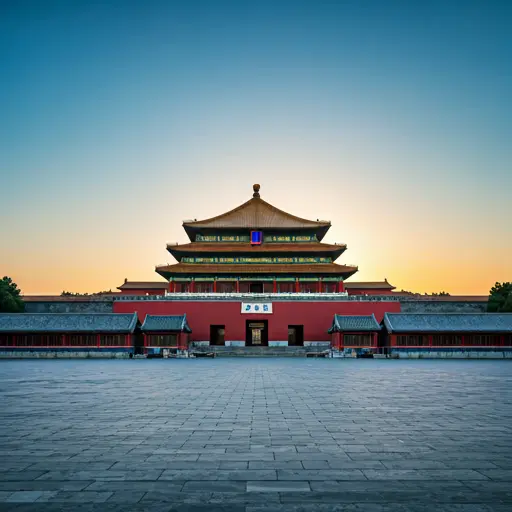
A practical guide to building a first Beijing itinerary that feels substantial without becoming exhausting.

The rail system is one of the best reasons to travel around China, but visitors need a clearer idea of timing, station scale, and document checks.

A short planning guide to the two pain points most visitors worry about before arriving in China: connectivity and paying smoothly.
There is no single best month for China. The strongest answer depends on whether you care more about classic city weather, mountain scenery, or lighter crowds.
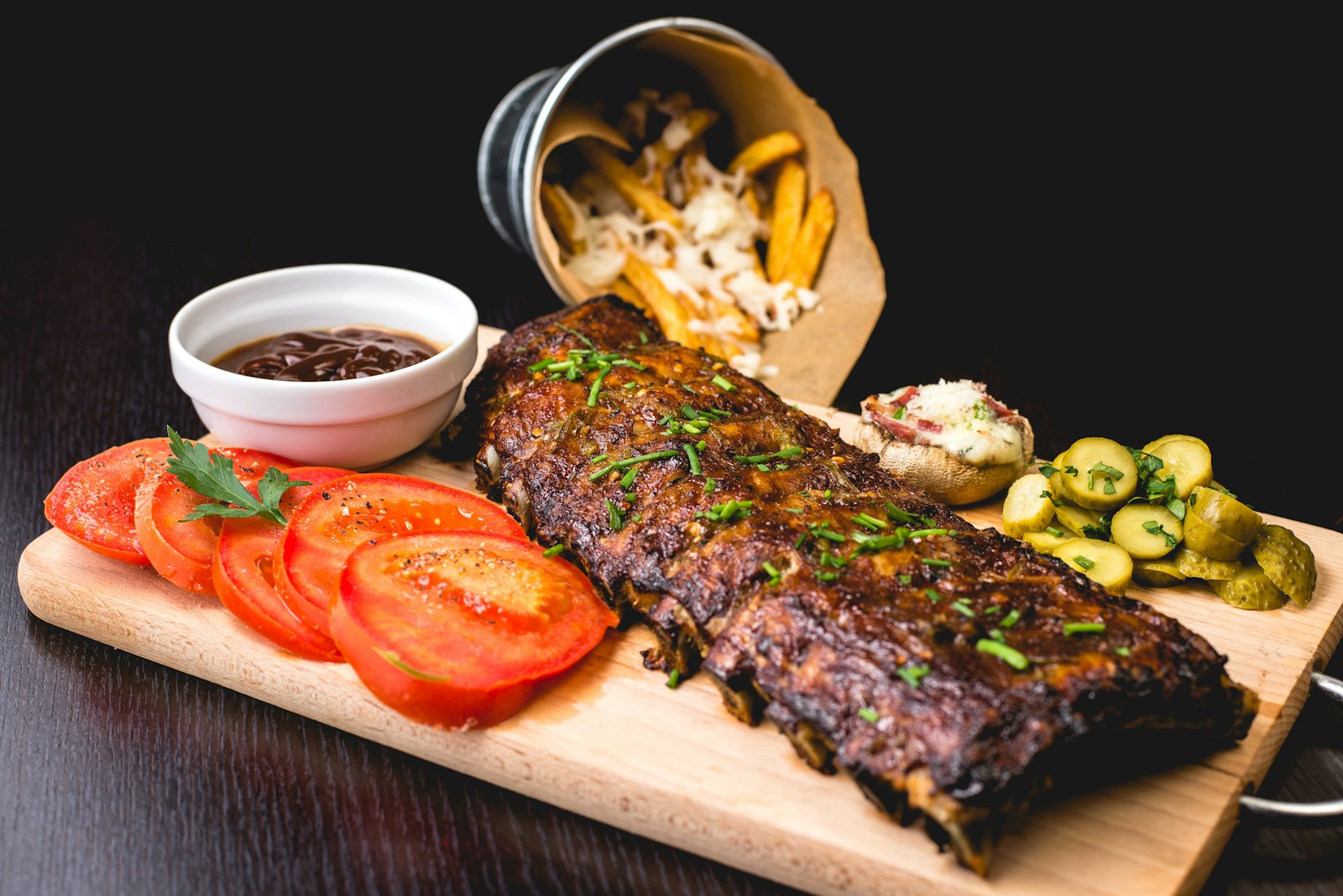
Xi'an's food scene is strongest when travelers understand flavor, context, and pace rather than only chasing a few famous stalls.
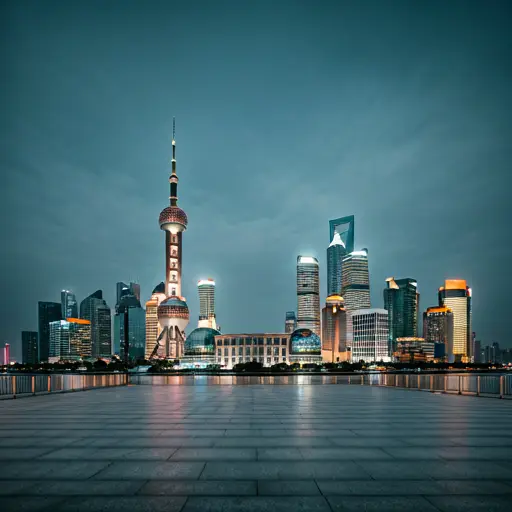
Shanghai can absorb a short layover beautifully if you focus on neighborhoods, skyline moments, and easy food stops instead of trying to see everything.

Chengdu trips improve when visitors treat pandas as a morning anchor and build the rest of the city around food, tea, and slower urban rhythm.

The Guilin region shines when travelers build around scenery, sleep quality, and pacing rather than squeezing every viewpoint into one day.

A realistic planning guide to weather, walking demands, and why Zhangjiajie rewards travelers who leave room for flexibility.

Yunnan can be magical, but only when travelers choose fewer bases and respect the way altitude and road time affect the experience.