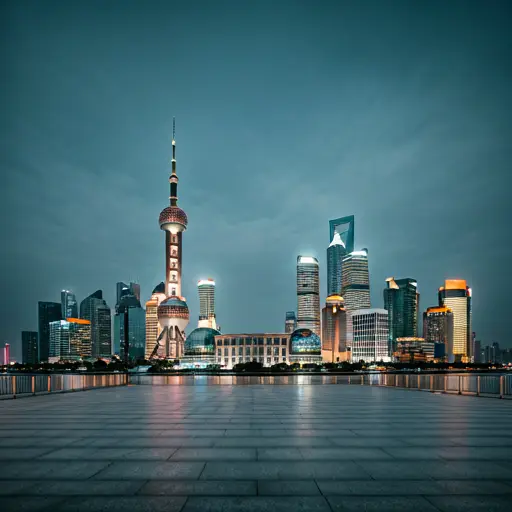
8-Day Golden Triangle China Tour
A classic first-time route through Beijing, Xi'an, and Shanghai, designed for travelers who want iconic landmarks with smoother pacing and clear English-language support.
Nanjing is a strong history-led city break with imperial remains, city walls, museums, river landscapes, and a substantial local food culture that rewards two or three days.
Nanjing suits travelers who want depth beyond a single headline attraction.
Museums, memorial sites, walls, and older districts need thoughtful sequencing.
Use Nanjing as a standalone city break or a history-rich extension from Shanghai.
Nanjing rewards visitors who want a historical city with more texture than a single monument. City walls, imperial remains, museums, river and lake landscapes, modern streets, and local food create several different ways into the city.
It is also a useful counterweight to an east-China route that otherwise moves between Shanghai's modern districts and Suzhou's gardens. Nanjing feels more substantial than a quick photo stop and deserves a clear place in the itinerary.
Two full days can cover one major heritage cluster, one museum or memorial block, and an evening around Qinhuai or another central district. Three days allow more time for the city wall, lake, food, and a less compressed cultural route.
Do not combine every historical site in one emotional and physically dense day. Nanjing is better when the itinerary alternates outdoor movement, indoor interpretation, food, and quiet recovery.
Start with the period or question that interests the group: imperial history, city defense, museums, Republican-era architecture, memorial history, or everyday food culture. Then place the relevant sites in a route that respects distance and opening times.
Museums and memorial sites can require advance planning and may carry different emotional weight. Read the current visitor guidance, allow time to process what you see, and avoid treating every stop as interchangeable sightseeing.
Qinhuai and the Confucius Temple area can provide an evening atmosphere, while Xuanwu Lake and older central streets offer a different balance of public space and city life. Choose a district that matches the day's final attraction rather than assuming the most famous area is always best.
Nanjing cuisine deserves more than one snack. Use a deliberate meal to explore local dishes, soups, noodles, duck, seasonal ingredients, and sweets, and communicate allergies or dietary needs directly with the restaurant.
Nanjing fits naturally into an East China route with Shanghai and Suzhou, but it can also stand alone as a history-focused break. High-speed rail makes the regional connection straightforward in principle; hotel-to-station time and the group’s energy still determine whether it feels easy.
Keep the arrival and departure days light enough for station transfers. A city wall walk, a museum reservation, and a long train should not all depend on perfect timing on the same day.
These details are tuned for pre-trip decision-making on mobile: short, scannable, and tied to itinerary quality.
March, April, October, November
2 to 3 days
Nanjing works best for travelers who want ming-era heritage and city wall and old-city routes, with enough time to balance headline sights and easier neighborhood pacing.
A classic first-time route through Beijing, Xi'an, and Shanghai, designed for travelers who want iconic landmarks with smoother pacing and clear English-language support.
A gentler multi-city itinerary for families who want China's major highlights with realistic pacing, simpler logistics, and room for rest.
A polished east-China route that pairs Shanghai's energy with water-town elegance and Hangzhou's slower lake-and-tea atmosphere.
The rail system is one of the best reasons to travel around China, but visitors need a clearer idea of timing, station scale, and document checks.
There is no single best month for China. The strongest answer depends on whether you care more about classic city weather, mountain scenery, or lighter crowds.
Build a reliable China phone and payment setup with travel eSIM, roaming, mobile wallets, card and cash backups, and an arrival-day test plan.