

Local China Tours
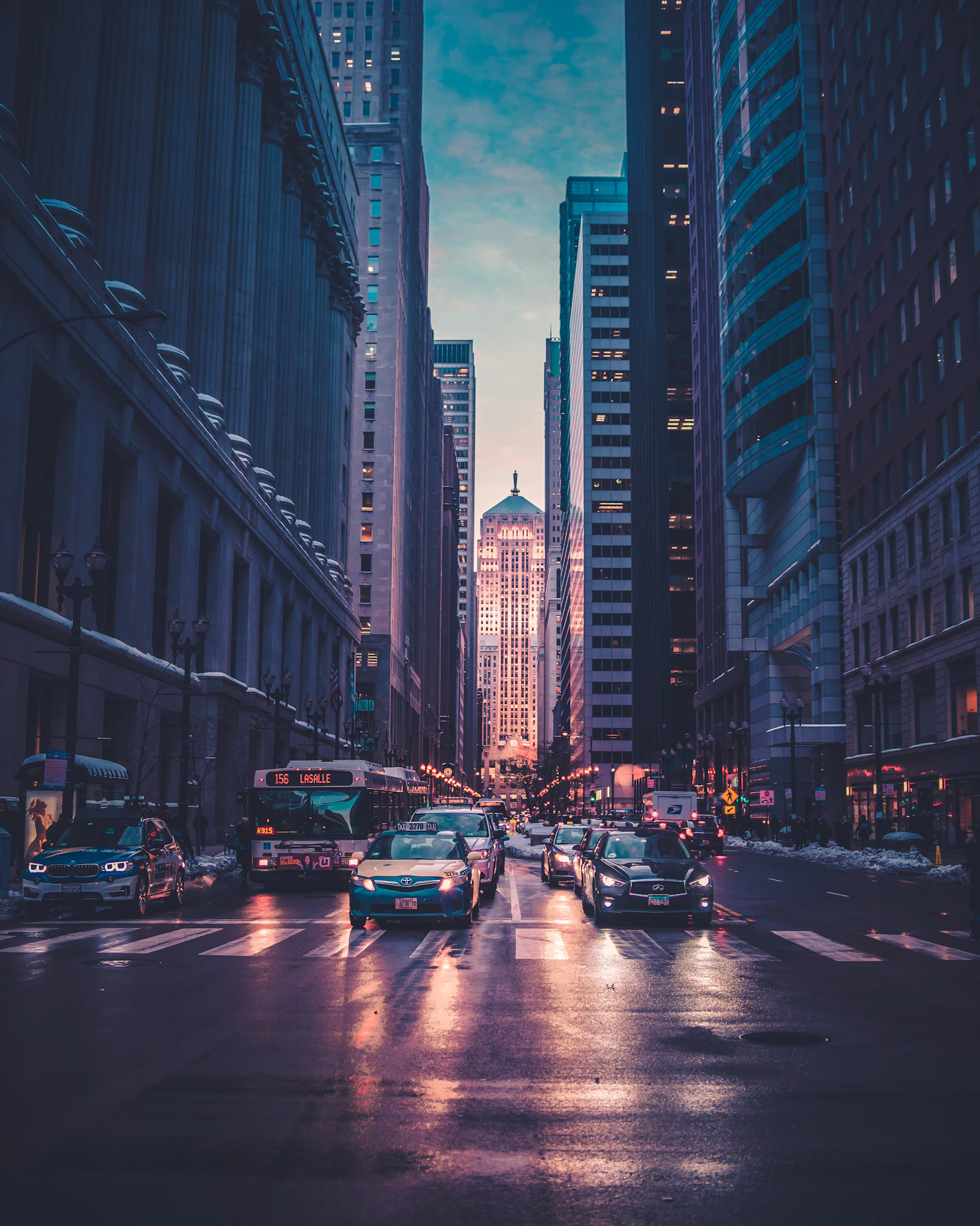
Modern Shenzhen skyline at dusk
South China

Shenzhen

Shenzhen is a strong South China gateway for travelers who want modern city life, design, technology, coastal neighborhoods, and an easy route connection with Hong Kong and Guangzhou.

Best for
Modern gateways

Shenzhen suits travelers entering South China through a major urban and transport hub.

Pace
Flexible

Two focused districts per day usually creates a better trip than crossing the whole city.

Route role
Gateway or add-on

Use it as a standalone city break or connect it with Hong Kong, Guangzhou, or wider Guangdong.

Contemporary public architecture in Shenzhen
Coastal green space for a Shenzhen city walk

Why travelers add Shenzhen

Shenzhen gives a first China route a clear modern chapter. Its appeal is less about one ancient monument and more about seeing how new districts, public spaces, technology companies, shopping streets, creative venues, and coastal life fit together in one fast-changing city.

It is especially useful for travelers who arrive through South China, want a comfortable urban base, or are deciding whether Hong Kong, Guangzhou, and the Pearl River region belong in the same trip. The city also gives families and design-minded travelers a different rhythm from the classic imperial route.

How many days does Shenzhen need?

Two full days work well for a focused first visit: one day for central or Futian city life and one for Nanshan, the coast, or a more specialized interest. A third day creates space for a slower neighborhood, a museum or design stop, and weather flexibility.

Do not count a Hong Kong day as a simple Shenzhen neighborhood extension. Border procedures, station transfers, and different reservation or payment needs can turn a nominal day trip into the main logistical task of the day.

Where should visitors stay?

Futian is a practical choice for travelers prioritizing central business districts, civic architecture, shopping, and straightforward metro connections. Nanshan works better for technology, design, coastal access, and a more contemporary leisure route. Shekou suits travelers who want a waterfront mood and a slower evening.

Luohu can make sense for rail access and a route that includes the eastern side of the city or a Hong Kong connection. The best area depends on the day's main destination, not only the hotel rating. Check the exact station exit, transfer path, and late-night return before choosing a base.

How should Shenzhen fit a wider route?

Pair Shenzhen with Guangzhou when the trip needs a contrast between a modern technology-led metropolis and older Lingnan food and neighborhood culture. Pair it with Hong Kong when the border crossing is intentional and the group has enough time for both places to feel distinct.

Travelers building a longer China route can also use Shenzhen as a South China gateway before moving toward Guilin, Yunnan, or another region. Keep the first and last days light enough to absorb airport, rail, and border uncertainty.

What should international visitors prepare?

Set up payment, translation, maps, ride-hailing, and a reliable connection before the first city day. Shenzhen is modern, but convenience depends on having the right app flow, a Chinese hotel address, and a backup plan when a QR payment or pickup point does not work as expected.

For current entry policy, cross-border requirements, attraction reservations, and transport changes, use official sources and confirm close to departure. A local guide is most useful when the trip combines multiple districts, family pacing, specialized interests, or a same-day border decision.

How to shape a stronger Shenzhen stay

These details are tuned for pre-trip decision-making on mobile: short, scannable, and tied to itinerary quality.

Best months

March, April, October, November

Recommended stay

2 to 3 days

Practical planning tips

  • Choose a base near the districts you will actually visit; Shenzhen is spread out and different areas serve different trip styles.
  • Treat a Hong Kong crossing as a separate route decision with its own border, transport, and document checks.
  • Use the metro for the main corridors and taxis or Didi when luggage, heat, rain, or a late return makes the final leg harder.
  • Keep one indoor or low-effort block available for hot, wet, or poor-visibility days.
  • Verify current entry, border, attraction, and transport information through official sources before booking non-refundable plans.

Who this destination suits best

Shenzhen works best for travelers who want modern city districts and shenzhen–hong kong route planning, with enough time to balance headline sights and easier neighborhood pacing.

Tours that pair naturally with Shenzhen

Guides that help travelers plan Shenzhen better