
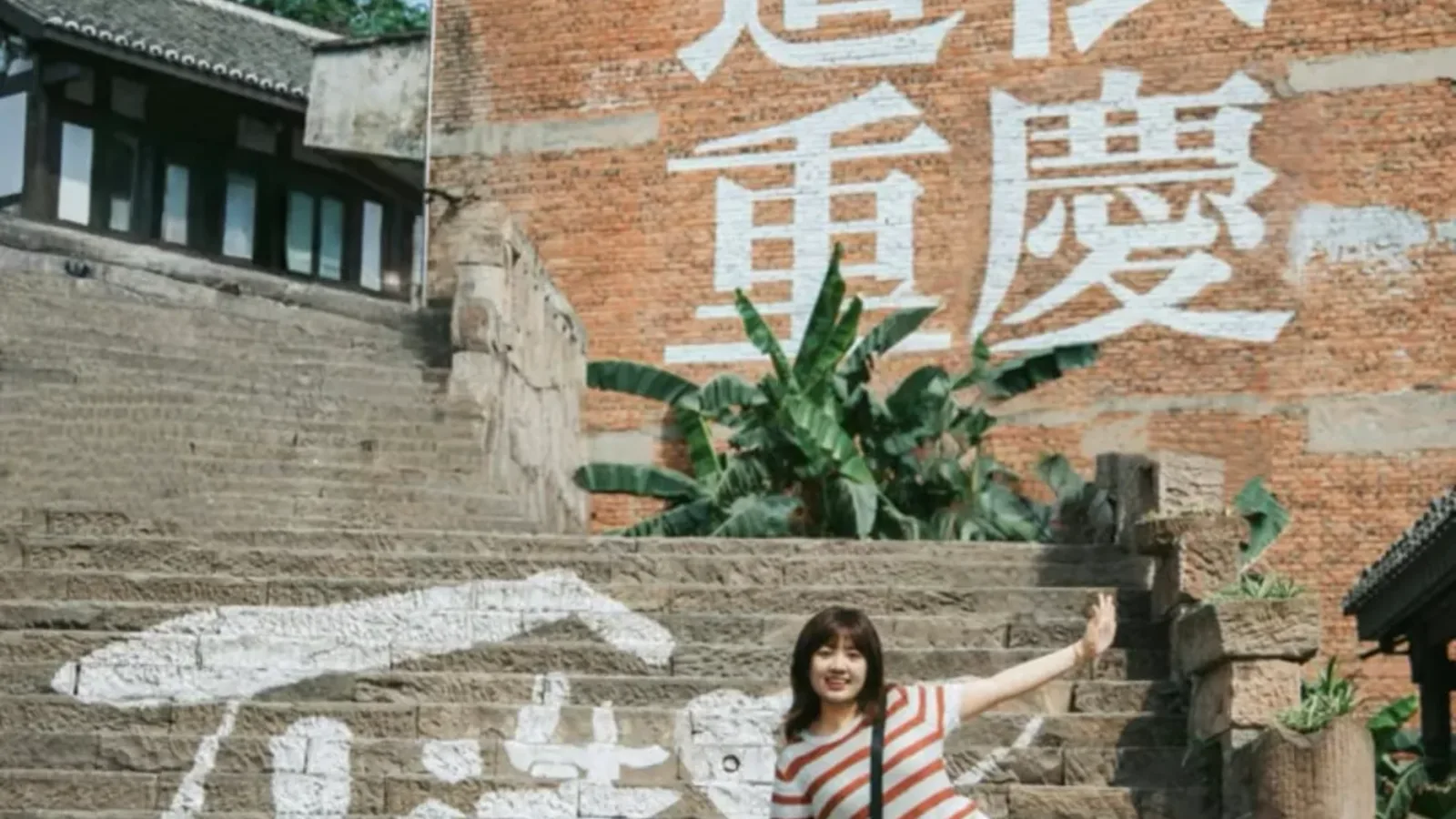
What Is Chinamaxxing? TikTok, Chinese Culture and Travel
Chinamaxxing is a TikTok trend about going all-in on learning, trying, and celebrating Chinese culture and everyday life. Videos may show people drinking hot water, eating congee, watching Chinese dramas, trying a traditional exercise, following Chinese fashion, admiring public transport, or planning a trip to China. The tone ranges from sincere curiosity to obvious exaggeration.
The term is useful as a doorway, not as a definition of China. A country with major regional, generational, linguistic, and social differences cannot be reduced to one viral lifestyle. For travelers, the better question is not “How do I become Chinese?” It is “What has this trend made me curious enough to understand in person?”
Key takeaways
- Chinamaxxing and related TikTok tags turn Chinese cultural learning into an accessible social-media trend.
- It became visible through everyday habits, Chinese American creators, city videos, and growing interest in contemporary China.
- The trend can encourage cultural curiosity, but it can also flatten identity into stereotypes.
- Travelers should turn the meme into specific questions, slower routes, and real conversations.
What does Chinamaxxing mean?
Chinamaxxing combines “China” with the internet suffix “-maxxing,” which means taking an interest or behavior as far as possible. In practice, people use it alongside phrases such as “becoming Chinese,” “Chinese era,” and “a very Chinese time in my life.” It usually describes playful participation rather than a literal claim about nationality.
Chinamaxxing vs China maxxing, Chinamax, and newlychinese
Search spelling varies, but the terms do not always carry exactly the same intent.
| Search term | Usually means |
|---|---|
| Chinamaxxing | The main name for the online culture and lifestyle trend |
| China maxxing | The spaced spelling of the same trend |
| Chinamax | A shortened label that may refer to the trend depending on context |
| Chinesemaxxing | A less common spelling for the same broad trend |
| Becoming Chinese or Chinese era | Related captions about entering a self-described “very Chinese time” in life |
| Newlychinese | An overlapping joke about recently joining that online identity play |
| Maxxing meaning | A request to explain the suffix, which means maximizing or fully committing to something |
| China Max | A mixed-intent phrase that can also refer to unrelated names, products, or organizations |
The visible checklist often includes hot water, house slippers, hotpot, congee, tea, red clothing, tai chi, traditional-style fashion, Chinese music, Chinese apps, and videos of futuristic-looking cities. These objects are easy to copy and easy to film. They are not a complete account of Chinese culture, and several are common outside China too.
The trend also contains two different interests that should not be confused:
| Online interest | What it usually expresses | What it does not prove |
|---|---|---|
| Lifestyle habits | Curiosity about routines, food, and wellness | That one habit belongs only to China |
| Fashion and aesthetics | Interest in Chinese design and visual culture | Understanding of historical or regional context |
| City and transport videos | Surprise at infrastructure and dense urban life | That every Chinese city looks or works the same way |
| China travel clips | Desire to see the country directly | Knowledge of entry rules or trip logistics |
Our editorial reality check
Local China Tours uses three questions when turning a viral China clip into travel advice:
- Is the place named? “A neighborhood in Chengdu” is more useful than “this is how China lives.”
- Is the clip typical or exceptional? A real monorail view or night market may still be a carefully selected moment.
- Can a traveler act on it safely? Entry rules, payment setup, weather, opening hours, and transport matter more than the caption.
This check keeps the trend interesting without treating one video as evidence for an entire country.
Where did the trend come from?
The phrase circulated before 2026, but the current wave became widely visible around early 2026. TIME traced part of its momentum to Chinese American creator Sherry Zhu and to “Chinese era” memes that mixed humor, cultural pride, and audience participation.
Channel NewsAsia reported in February 2026 that one of Zhu’s January videos had reached 3.1 million views and more than 530,000 likes. That is a dated snapshot of one post, not a reliable total for the whole trend, but it shows how quickly the format traveled.
Public TikTok pages for #Chinamaxxing and #BecomingChinese were live during our September review. TikTok did not provide a stable, auditable total that we could reproduce, so this guide treats the tags as direct evidence of participation without attaching a fixed platform-wide view count.
Travel videos widened the idea. Instead of focusing only on food or home routines, creators showed metro systems, high-speed trains, walkable commercial districts, night markets, delivery robots, mountain-city streets, and large public spaces. Associated Press described the meme as part of a broader moment in which Chinese products, places, and everyday habits became more familiar to international audiences.
There is no single owner of Chinamaxxing. It grew through many creators, diaspora conversations, reaction videos, jokes, travel streams, and media coverage. Claims that one person invented the entire phenomenon should therefore be treated cautiously.
Why does Chinamaxxing matter to travelers?
The trend matters because it redirects attention from a small set of landmarks toward ordinary urban life. A traveler may arrive wanting the Great Wall but also become curious about a neighborhood breakfast, a metro transfer, a public park, a tea house, a convenience store, or how families use shared city space.
That wider interest can produce a better trip. Beijing is more than imperial sites. Shanghai is more than a skyline. Chengdu is more than pandas, and Chongqing is more than one monorail photo. Our Beijing first-time guide, Chengdu first-time guide, and Chongqing first-time guide all work better when the city is treated as a lived place rather than a set of viral pins.
However, the meme is still an edited view. Camera-friendly transit, neon towers, traditional clothes, and photogenic food travel farther online than routine workdays, quiet residential areas, bad weather, or long queues. The images can be real and still be incomplete.
What does the trend get right about China?
Chinamaxxing gets one important idea right: contemporary China cannot be understood only through ancient symbols or geopolitical headlines. Daily habits, consumer culture, public transport, neighborhood life, digital services, food, music, and design are all part of the picture.
It also encourages comparison. Visitors may notice that breakfast changes by region, apartment life differs from hutong life, and public parks serve different groups throughout the day. The useful response is observation, not instant judgement. Ask what a practice means to the people using it and whether it changes across age, income, city, and family background.
Finally, the trend gives some Chinese and diaspora creators room to explain practices in their own voices. That does not make every viral explanation authoritative, but it can widen the set of people international audiences hear from.
Where can the meme become misleading?
The main risk is turning Chinese identity into a mood board. Channel NewsAsia reported both enthusiasm and concern from Chinese and diaspora voices, including warnings that simplified symbols can become caricatures. TIME also noted the discomfort of seeing markers once mocked or stigmatized suddenly treated as fashionable.
Travelers can avoid the worst version of this problem:
- Do not claim an identity as a costume. Enjoy a food, garment, practice, or festival without pretending it grants instant cultural authority.
- Do not turn wellness content into medical advice. A creator’s tea or exercise routine is not a diagnosis or treatment.
- Name the specific place. “A neighborhood in Chengdu” is more accurate than “this is how China lives.”
- Learn before performing. Ask about temple, clothing, photography, and festival etiquette instead of copying a clip blindly.
- Accept mixed evidence. One good train ride or difficult payment moment should not become a verdict on the whole country.
Respect does not require anxiety. Most cultural exchange starts with incomplete curiosity. The key is being willing to learn beyond the first joke.
How can you turn Chinamaxxing into a real trip?
Start by converting the trend into one or two concrete interests. If you save transit videos, build around cities rather than remote scenic areas. If food and daily routines attract you, leave room for markets, parks, and neighborhood meals. If fashion and history are the draw, pair museums and historic districts with contemporary design areas.
Three route shapes work well:
- Old and new China: Beijing plus Shanghai. Use the Shanghai three-day itinerary to combine the Bund, neighborhoods, food, and modern city life without treating the skyline as the whole story.
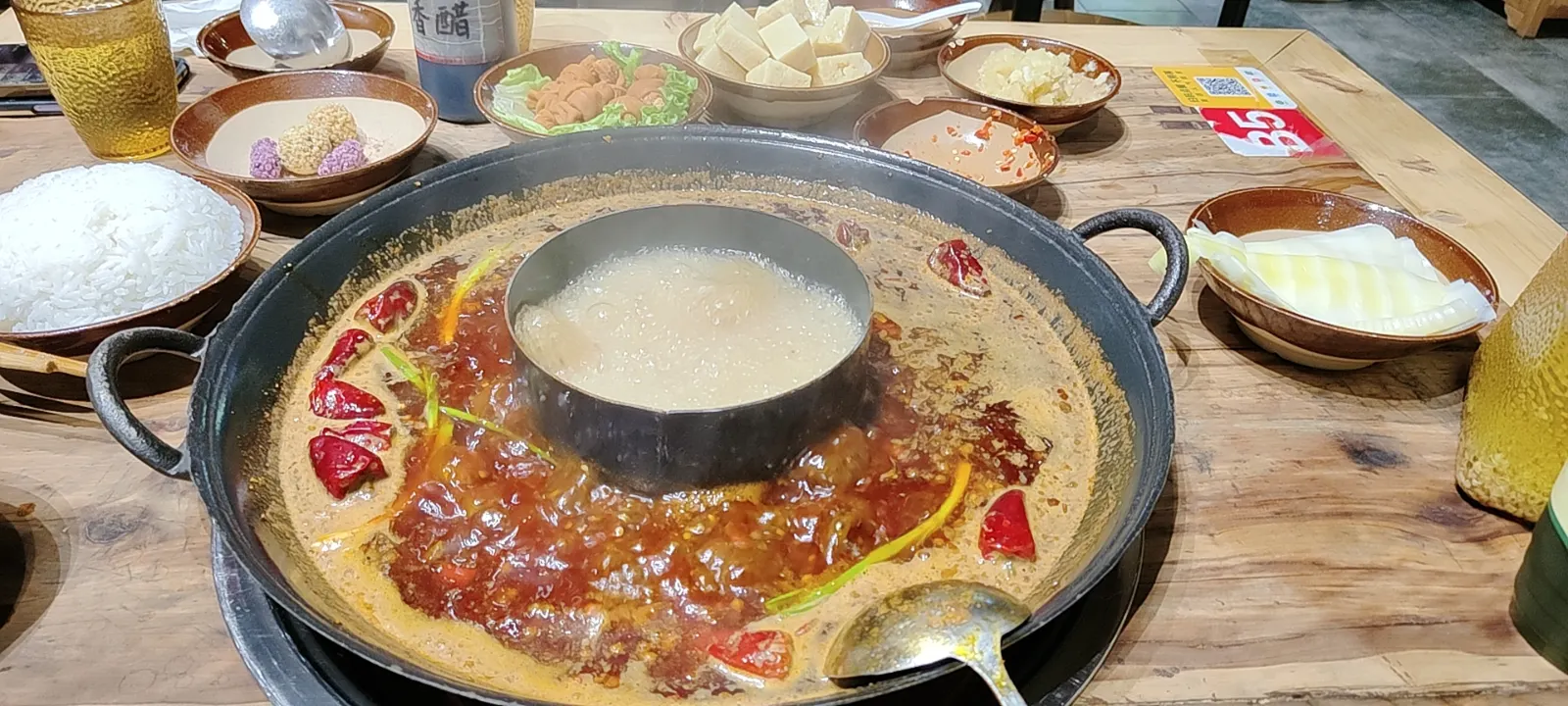
- Food and public-space rhythm: Chengdu plus Chongqing. Travel slowly enough to compare tea-house culture, hotpot, parks, terrain, metro use, and evening streets.
- Southern daily life: Guangzhou plus nearby Foshan or Shunde. The Guangzhou first-time guide helps connect old neighborhoods, dim sum, the Pearl River, and practical metro routes.
Do not combine all three shapes into one rushed week. The point is to see more layers, not collect more city names.
What practical checks matter before you go?
A Chinamaxxing video cannot tell you whether you may enter China, whether your bank card will connect to a payment app, or whether your passport details match a rail booking. Set up the practical layer before designing the aesthetic one.
- Entry: Check current rules for your nationality and exact route. China’s State Council reported that nationals from 55 countries could use the 240-hour visa-free transit program through 65 designated ports in July 2026. Eligibility and route conditions still need to be checked before travel.
- Data and payments: Follow the China eSIM and payments setup guide and carry a backup payment method.
- Rail: The official 12306 FAQ says foreign passengers can use valid passports for real-name tickets. Keep the same passport available for station checks. Our China high-speed train guide explains the wider station routine.
- Season: Check weather, national holidays, and route fit with the best time to visit China guide. If the trend has inspired a June-to-August trip, compare heat, rain, and crowd tradeoffs in the China summer guide.
- Maps and names: Save hotel and attraction names in Chinese. Confirm the exact branch, entrance, and metro exit.
Trends move quickly, while immigration rules, opening hours, and transport procedures can change. Recheck official sources close to departure.
Source and verification notes
This guide was researched and reviewed on September 12, 2026. Trend context comes from Channel NewsAsia, TIME, and Associated Press. Practical checks use the State Council of China and China Railway 12306. Media descriptions document how the term was used at the time; they do not prove that every post shares one meaning or that the trend represents public opinion as a whole.
Frequently asked questions
What does Chinamaxxing mean?
Chinamaxxing is internet slang for enthusiastically adopting, exploring, or posting about things associated with Chinese culture and daily life. The trend mixes humor with genuine interest in food, wellness routines, fashion, cities, technology, and travel.
What does maxxing mean in Chinamaxxing?
In internet slang, maxxing means trying to maximize or fully commit to something. In Chinamaxxing, the suffix is used playfully for going all-in on an interest in Chinese food, habits, aesthetics, cities, technology, or travel.
Are Chinesemaxxing and becoming Chinese the same as Chinamaxxing?
They are overlapping labels for the same broad 2025–2026 social-media trend. Chinamaxxing is the most common compact name, while Chinesemaxxing, becoming Chinese, Chinese era, and very Chinese time in my life appear as related spellings or captions.
Is Chinamaxxing a TikTok hashtag?
Yes. #Chinamaxxing and related tags such as #BecomingChinese are used on TikTok for videos about Chinese food, habits, wellness, fashion, cities, technology, and travel. Public tag counts change and were not consistently available during our review.
Is Chinamaxxing the same as traveling to China?
No. Chinamaxxing began as an online lifestyle meme, while traveling to China requires practical decisions about entry rules, transport, payments, language, weather, and respectful behavior. A trip can deepen the curiosity behind the trend, but the meme is not a travel plan.
Is Chinamaxxing cultural appreciation or appropriation?
It can be either, depending on behavior. Curiosity, attribution, listening, and learning support respectful exchange. Treating Chinese identity as a costume, making unsupported medical claims, or presenting one stereotype as all of China moves toward appropriation and caricature.
Which cities fit a Chinamaxxing-inspired trip?
Beijing works for old and new China, Shanghai for urban design and contemporary culture, Chengdu for food and public-space rhythms, and Chongqing for dramatic terrain and transport. Choose two or three cities based on your interests instead of chasing every viral clip.
Do I need a visa for a Chinamaxxing trip?
Entry rules depend on nationality, itinerary, passport, and travel date. Some travelers qualify for visa-free entry or 240-hour visa-free transit, but transit requires an eligible route to a third country or region. Always check an official immigration or embassy source.
Keep reading
ChinaSummer 2026: Why China Travel Took Off This Summer
ChinaSummer captures the 2026 wave of foreign visitors traveling in China and sharing city life, food, trains, culture, and cooler summer escapes on TikTok.

Best Time to Visit China by Trip Style
There is no single best month for China. The strongest answer depends on whether you care more about classic city weather, mountain scenery, or lighter crowds.
Beijing for First-Time Visitors: 3- or 4-Day Planning Guide
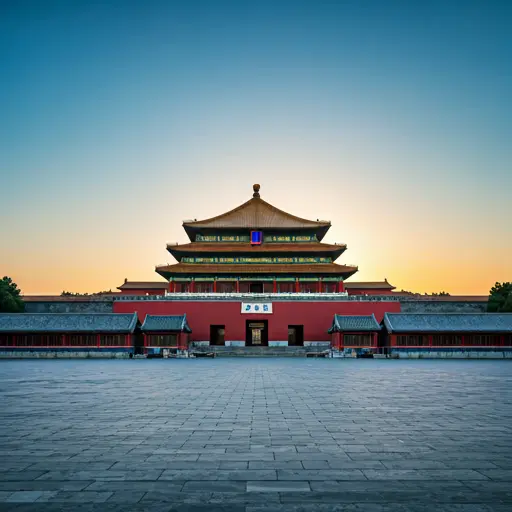
A practical first-time Beijing guide covering trip length, the Forbidden City, Great Wall choices, hutongs, tickets, transport, food, and realistic pacing.